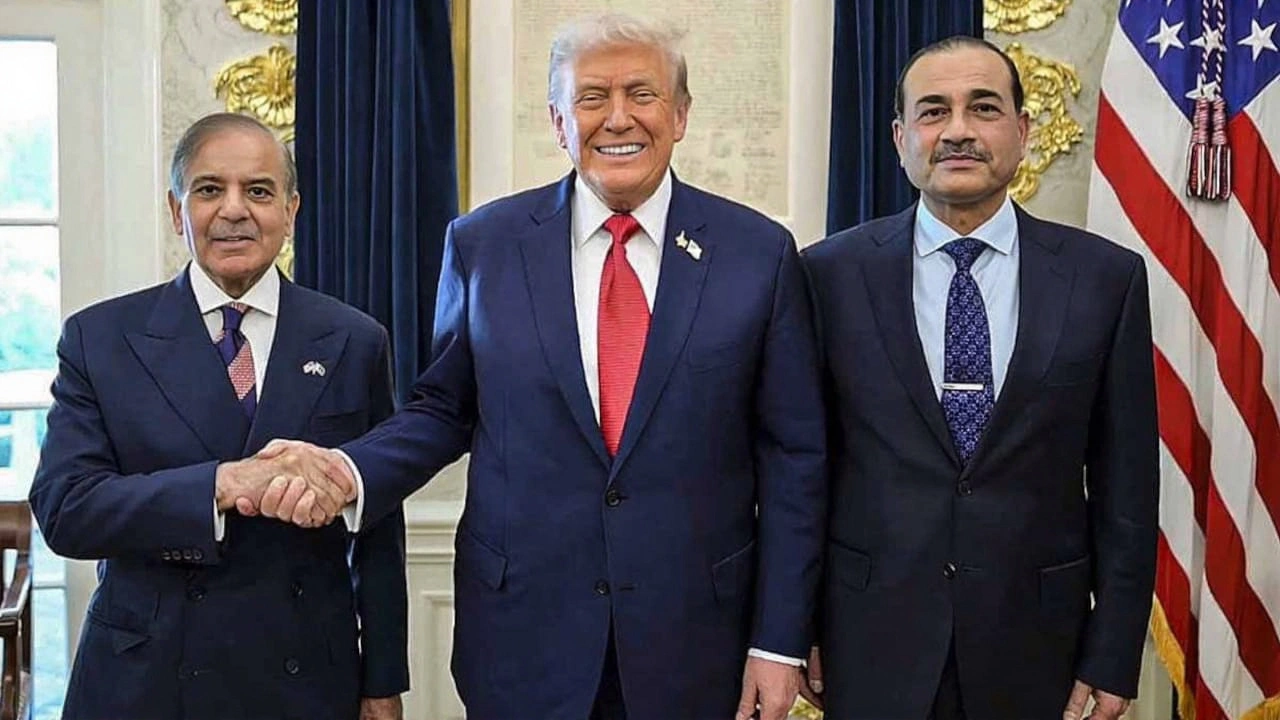
When Donald Trump, President of the United States, invited Shehbaz Sharif, Prime Minister of Pakistan and Field Marshal Asim Munir, Army Chief of Pakistan to the Oval Office this past Thursday, it wasn't just a routine diplomatic handshake. It was a high-stakes poker game where the chips were Pakistan’s sovereignty and its historic stance on Israel. Here’s the thing: Islamabad is now trapped between Washington’s aggressive push for regional normalization and the fiery religious sentiments of its own populace.
The meeting, held at the White House in Washington D.C., marked a dramatic shift in US-Pakistan relations. But wait—the optics were messy. Reports suggest Sharif and Munir arrived early for their 5 p.m. slot, only to be left waiting while Trump extended a press conference. To many observers in Pakistan, this wasn’t just a scheduling glitch; it felt like a deliberate power play, a public reminder of who holds the leverage.
The Abraham Accords Pressure Cooker
Trump’s administration has been relentlessly pushing Muslim-majority nations to join the Abraham Accords, a series of normalization agreements with Israel. For Pakistan, this is a political minefield. Back in October 2025, Defense Minister Khawaja Asif publicly slammed the idea, stating, "We will not be part of the Abraham Accords... Pakistan will not recognize Israel because Israel’s name is not on our passports." Foreign Minister Ishaq Dar echoed this sentiment, insisting that Pakistan’s policy toward Israel would not change.
But the ground reality is shifting. The pressure isn't coming from empty threats; it's tied to tangible economic incentives. In July 2025, the US and Pakistan struck a significant trade deal, coinciding with Washington slapping a heavy 50% tariff on Indian goods. Suddenly, Pakistan became a more attractive partner for American businesses looking to diversify supply chains. This economic carrot makes the diplomatic stick harder to ignore.
Munir’s Dangerous Middle Ground
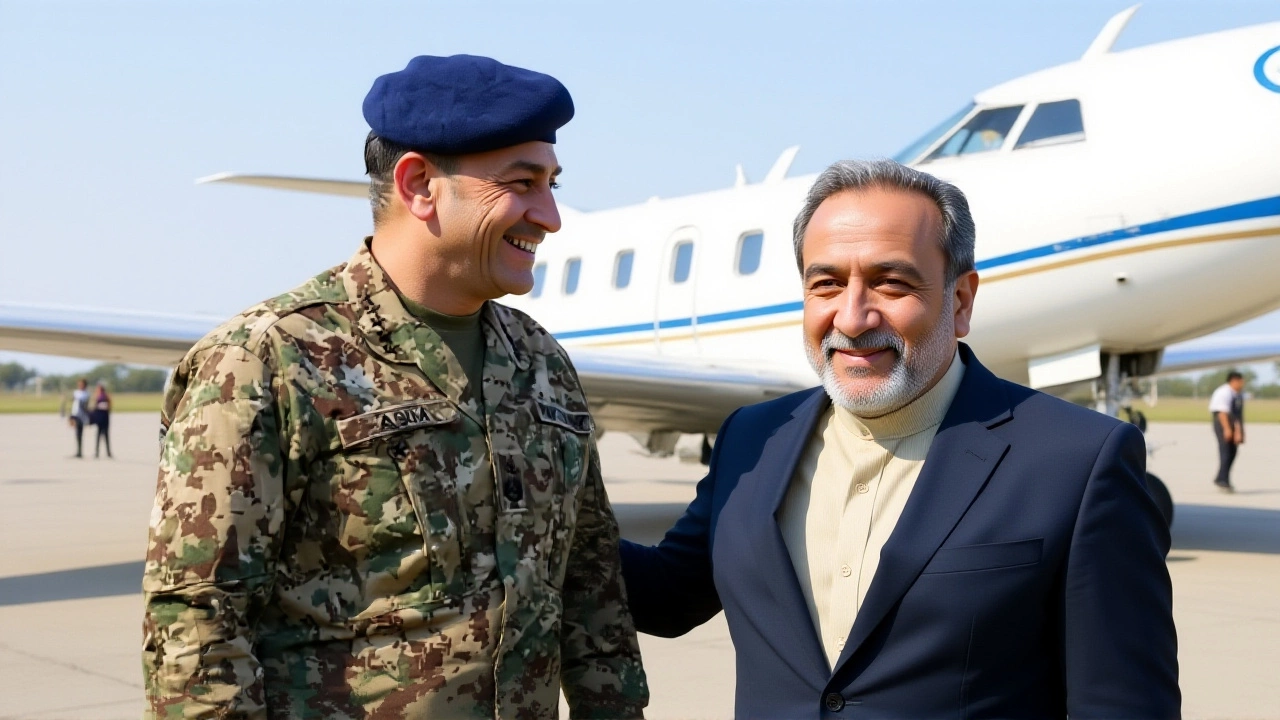
Turns out, Field Marshal Asim Munir is playing an even riskier hand. While publicly supporting the Gaza Board of Peace—a coalition led by Trump signed into by Sharif in Davos, Switzerland—Munir has allegedly been acting as a mediator in US-Iran talks. Sources claim he has deep ties with Iran’s Islamic Revolutionary Guard Corps (IRGC).
This dual role has raised eyebrows in Washington. American intelligence agencies have reportedly flagged Munir as a "Red Flag" and a "Potential Liability," suspecting he might be playing both sides. If true, this puts him in a precarious position: reject Trump’s demands and risk losing crucial US military aid, or accept them and face accusations of treason from domestic hardliners, including the imprisoned former Prime Minister Imran Khan and his PTI party.
Domestic Backlash and Religious Sentiment
The internal cost of these diplomatic maneuvers is steep. Pakistan’s public and religious scholars view the Palestinian cause as a core issue of the Muslim Ummah. Any move toward recognizing Israel or normalizing ties without a resolution for Palestine could trigger massive street protests. Opposition parties have already labeled Sharif’s signing of the Gaza peace charter as "non-transparent" and morally wrong, demanding a national referendum.
Interestingly, despite the skepticism, Trump defended the Pakistani leadership during a recent press interaction. When asked if Pakistan’s mediation efforts were credible given reports of sheltering Iranian fighter jets, Trump replied, "No, they are very good. Field Marshal Asim Munir and Prime Minister Shehbaz Sharif have done a very good job." This public endorsement complicates matters further for critics back home.
What’s Next for Islamabad?
The details of Munir’s next moves remain unclear, but the stakes couldn't be higher. With the Balochistan Liberation Army (BLA) insurgency still simmering and the economy fragile, Pakistan cannot afford to alienate either the US or Iran. The government is walking a tightrope, trying to balance economic survival against ideological purity.
Historically, Pakistan has oscillated between being a US ally and a regional spoiler. This current episode suggests a new, more complex dynamic where personal diplomacy—driven by Trump’s transactional style—is overriding traditional state-to-state protocols. Whether this leads to genuine stability or deeper fragmentation remains to be seen.
Frequently Asked Questions
Why is Pakistan hesitant to join the Abraham Accords?
Pakistan refuses to join because it does not formally recognize Israel, a stance deeply rooted in its support for the Palestinian cause. Domestic religious sentiment and political opposition make any normalization politically suicidal for leaders in Islamabad.
What is the 'Gaza Board of Peace'?
It is a coalition initiative led by Donald Trump aimed at resolving the conflict in Gaza. Prime Minister Shehbaz Sharif signed its charter in Davos, Switzerland, a move that sparked controversy within Pakistan but was praised by the US President.
Is Asim Munir really mediating between the US and Iran?
Reports suggest Munir has engaged in backchannel talks with Iran, leveraging his alleged ties to the IRGC. However, US intelligence views this with suspicion, labeling him a potential liability due to concerns about divided loyalties.
How did the White House meeting go?
The meeting was tense. Sharif and Munir arrived early but were kept waiting while Trump held a press conference. Despite the awkward protocol, Trump publicly praised both leaders, calling their work "very good" amidst growing geopolitical tensions.