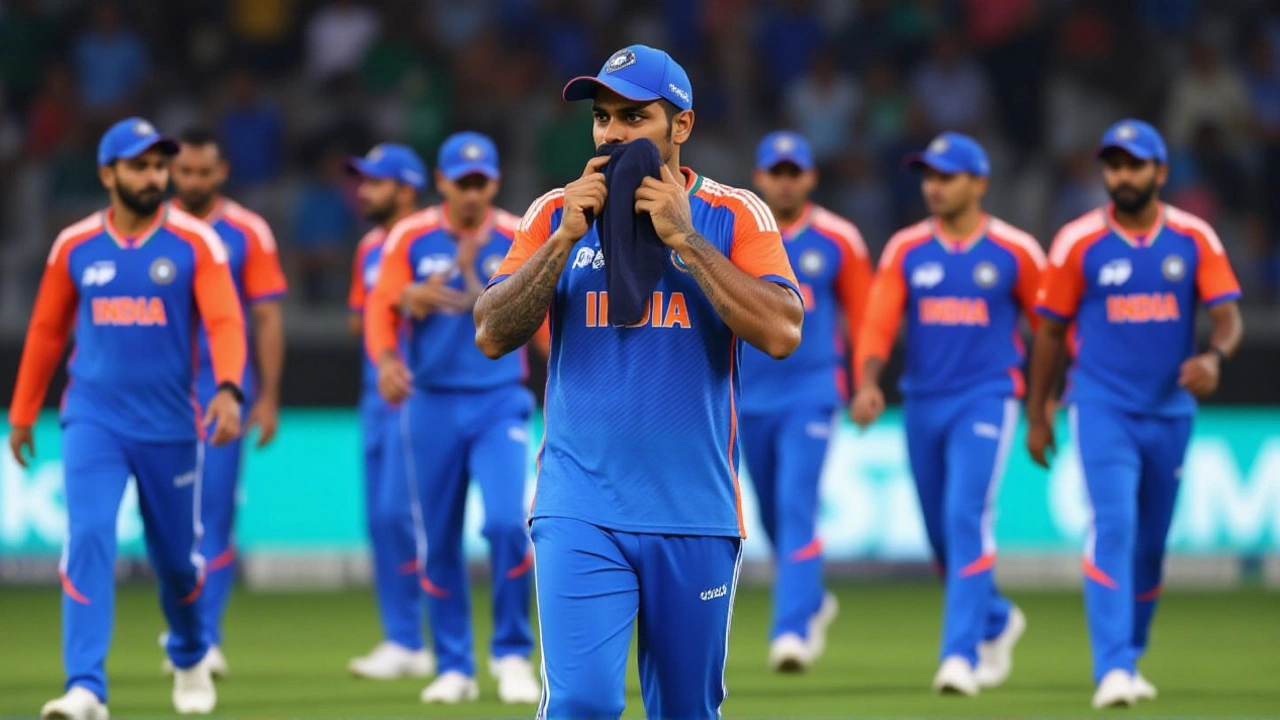
When Suryakumar Yadav, captain of the Indian cricket team, was officially handed the armband for the upcoming global tournament, it signaled a decisive shift in India’s T20 strategy. The announcement came on December 20 from the headquarters of the Board of Control for Cricket in India (BCCI) in Mumbai, where selectors made headlines by dropping top-order batter Shubman Gill from the 15-member squad.
Here’s the thing: this isn’t just a roster change; it’s a statement. With the ICC Men's T20 World Cup 2026 India and Sri Lanka kicking off on February 7, 2026, the selection committee, led by Ajit Agarkar, head selector, opted for aggression over experience at the top order. The same 15 players will also face New Zealand in a five-match T20I series beforehand, giving them crucial time to gel before the big stage.
The Big Shift: SKY Takes Charge
Turns out, the BCCI believes Suryakumar Yadav is the right man to lead the charge. Known for his innovative stroke play and consistency in the shortest format, SKY steps up after years as a vice-captain or key middle-order anchor. His appointment suggests a focus on dynamic batting and fearless leadership—traits that defined India’s previous T20 World Cup triumph.
But wait, who’s backing him up? Left-arm spin-bowling all-rounder Akshar Patel has been named vice-captain. This is a smart move. Akshar brings balance to the side with his ability to bowl economical overs and contribute quick runs lower down the order. It’s a leadership duo built on versatility rather than traditional hierarchy.
Why Shubman Gill Misses Out
The most surprising omission? Shubman Gill. Despite being a star in Test and ODI formats, Gill’s recent form in T20Is has been underwhelming. Reports indicate he struggled against high-quality pace and spin in domestic tournaments, prompting selectors to look elsewhere. In cricket, form trumps reputation every time. The decision reflects a cold, calculated approach: if you’re not firing in T20s, you don’t travel.
In his place, the team gains depth through other talents. While no direct replacement was announced for Gill’s opening slot, the combination of Abhishek Sharma and Sanju Samson is expected to open the batting. Sanju, returning to prominence, adds power-hitting prowess behind the stumps, while Abhishek brings left-handed flair. It’s a risky but exciting partnership.
Squad Breakdown: Power and Balance
The final 15-man squad looks like this:
- Captain: Suryakumar Yadav
- Vice-Captain: Akshar Patel
- Batters: Abhishek Sharma, Tilak Varma, Rinku Singh, Ishan Kishan (WK), Sanju Samson (WK)
- All-Rounders: Hardik Pandya, Shivam Dube, Washington Sundar, Akshar Patel
- Spinners: Kuldeep Yadav, Varun Chakravarthy
- Pacers: Jasprit Bumrah, Arshdeep Singh, Harshit Rana
Note the emphasis on all-rounders. Four players can bat and bowl, allowing flexibility in pitch conditions across India and Sri Lanka. Spinners Kuldeep and Varun offer different angles, while pacers Bumrah, Arshdeep, and Harshit provide lethal new-ball options. Harshit Rana’s inclusion marks a fresh face, rewarded for consistent domestic performances.
Ishan Kishan’s Return and Middle-Order Firepower
One bright spot for fans: Ishan Kishan is back. After a period out of the national setup, his explosive performances in the Syed Mushtaq Ali Trophy earned him a recall. As a wicketkeeper-batter, he provides cover for Sanju Samson and can accelerate scoring in death overs. His return injects energy into the lower middle order.
Meanwhile, Tilak Varma and Rinku Singh anchor the middle. Tilak offers stability and elegance, while Rinku brings finisher skills. Together with Hardik Pandya and Shivam Dube, this quartet forms one of the most dangerous finishing units in world cricket.
Tournament Context and Next Steps
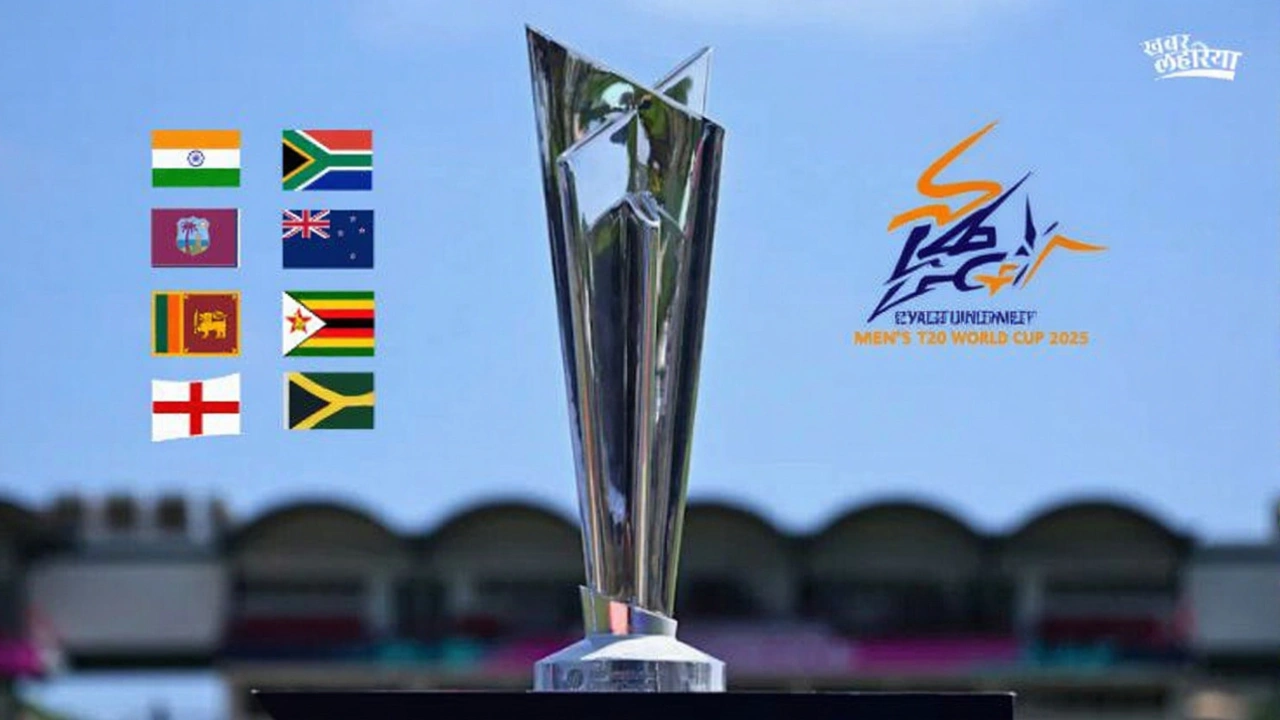
The 2026 T20 World Cup will feature 20 teams playing 55 matches across eight venues in India and Sri Lanka between February 7 and March 8, 2026. According to ICC rules, squads must be submitted at least one month before the tournament starts. That means the current list is provisional until January 7, 2026. Until then, the BCCI can make changes without needing special permission from the ICC technical committee.
After January 7, any substitution requires medical justification and formal approval. So, keep an eye on injury updates and last-minute form guides. For now, the team heads to New Zealand for a five-match series to test their chemistry. If they perform well there, confidence will soar ahead of the World Cup.
Frequently Asked Questions
Why was Shubman Gill dropped from the T20 World Cup 2026 squad?
Shubman Gill was omitted due to inconsistent performance in recent T20I matches. Selectors prioritized current form over past achievements, opting for players showing better strike rates and adaptability in the shorter format. His exclusion highlights the competitive nature of India’s batting lineup.
Who are the captains and vice-captains of the Indian T20 team for 2026?
Suryakumar Yadav has been appointed captain, leveraging his experience and aggressive style. Akshar Patel serves as vice-captain, bringing all-round capabilities and tactical awareness. This leadership pair aims to blend innovation with strategic discipline.
Can the BCCI change the squad after December 20?
Yes, the BCCI can modify the squad until January 7, 2026, without seeking ICC approval. After this deadline, changes require medical evidence of injury and formal clearance from the ICC technical committee. This window allows flexibility based on player fitness and form.
Which players returned to the Indian T20 squad?
Ishan Kishan and Rinku Singh have been recalled to the squad. Ishan impressed in domestic leagues, earning his spot as a wicketkeeper-batter. Rinku returns as a reliable finisher. Both bring vital depth and firepower to the middle and lower orders.
What is the schedule for the T20 World Cup 2026?
The tournament runs from February 7 to March 8, 2026, hosted jointly by India and Sri Lanka. Twenty teams will compete in 55 matches across eight venues. India’s campaign begins early, aiming to defend their title with a balanced mix of youth and experience.